


Chris Pye’s Woodcarving Course & Reference Manual
$26.99 CAD
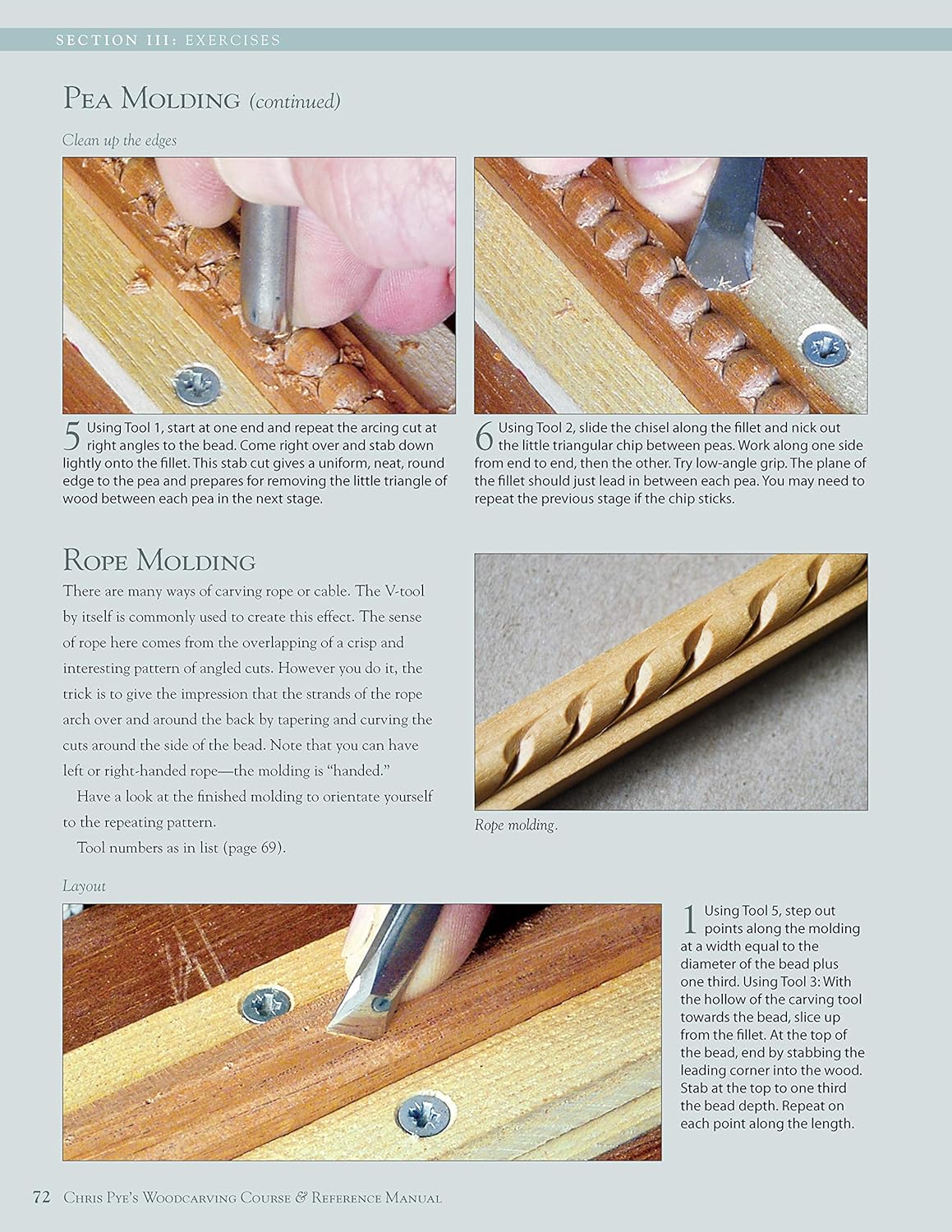
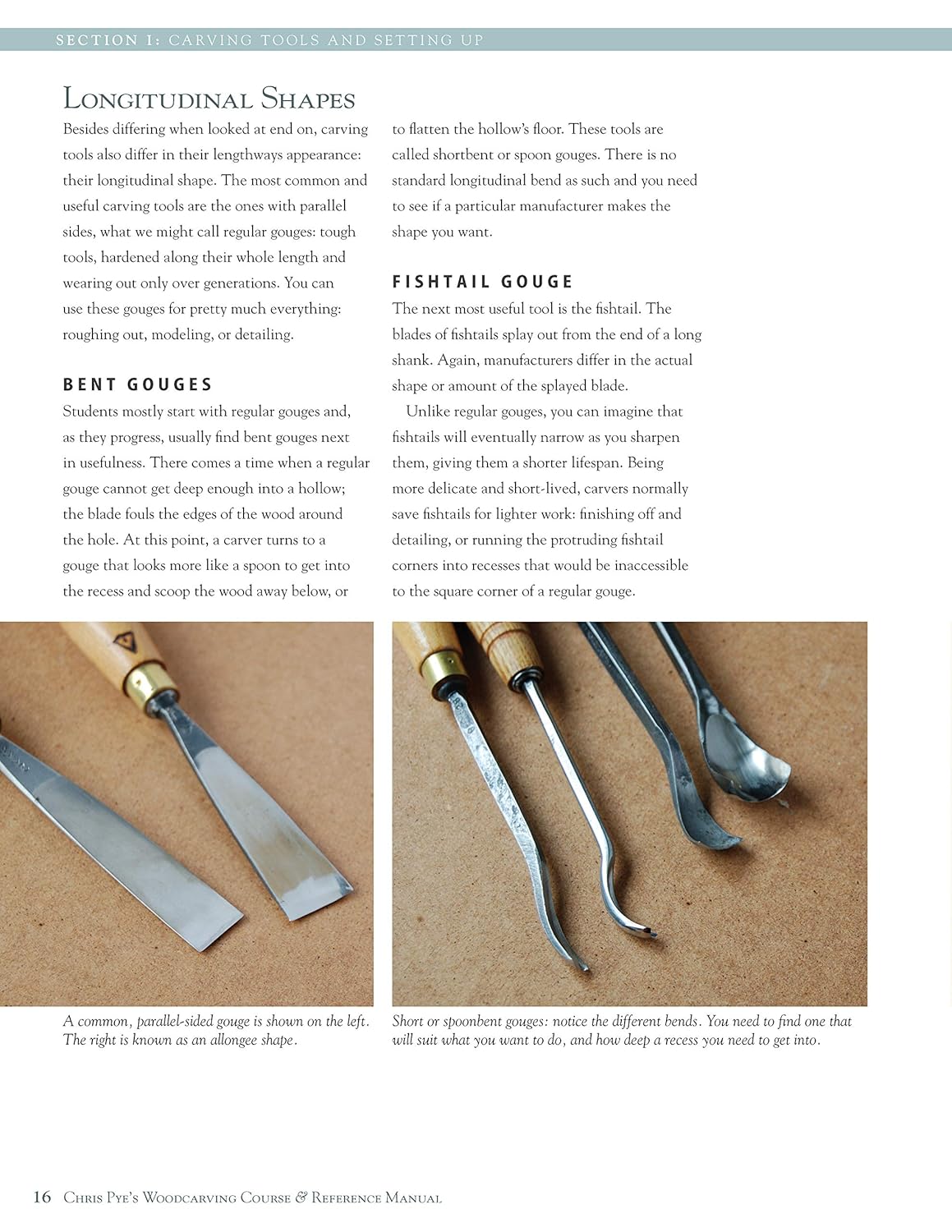
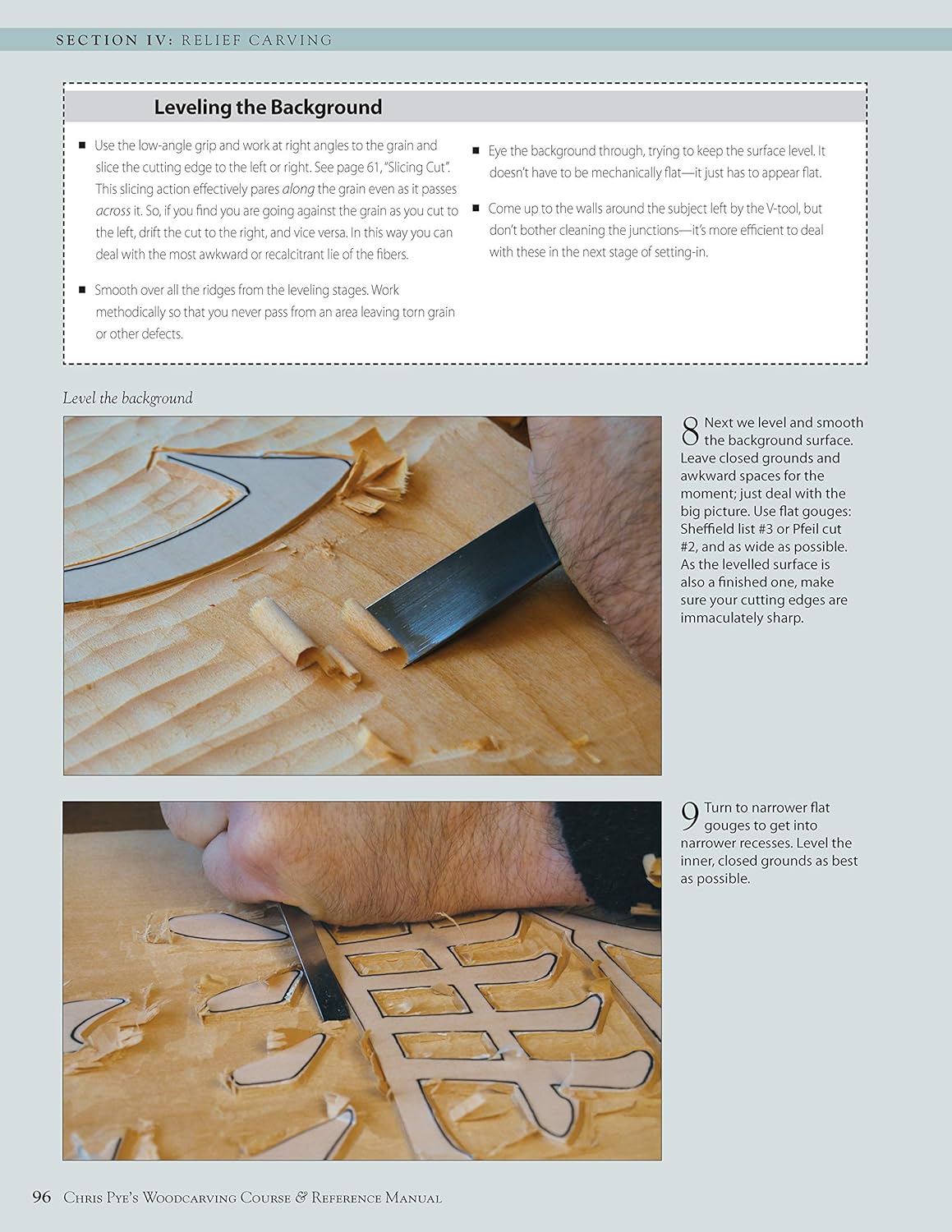
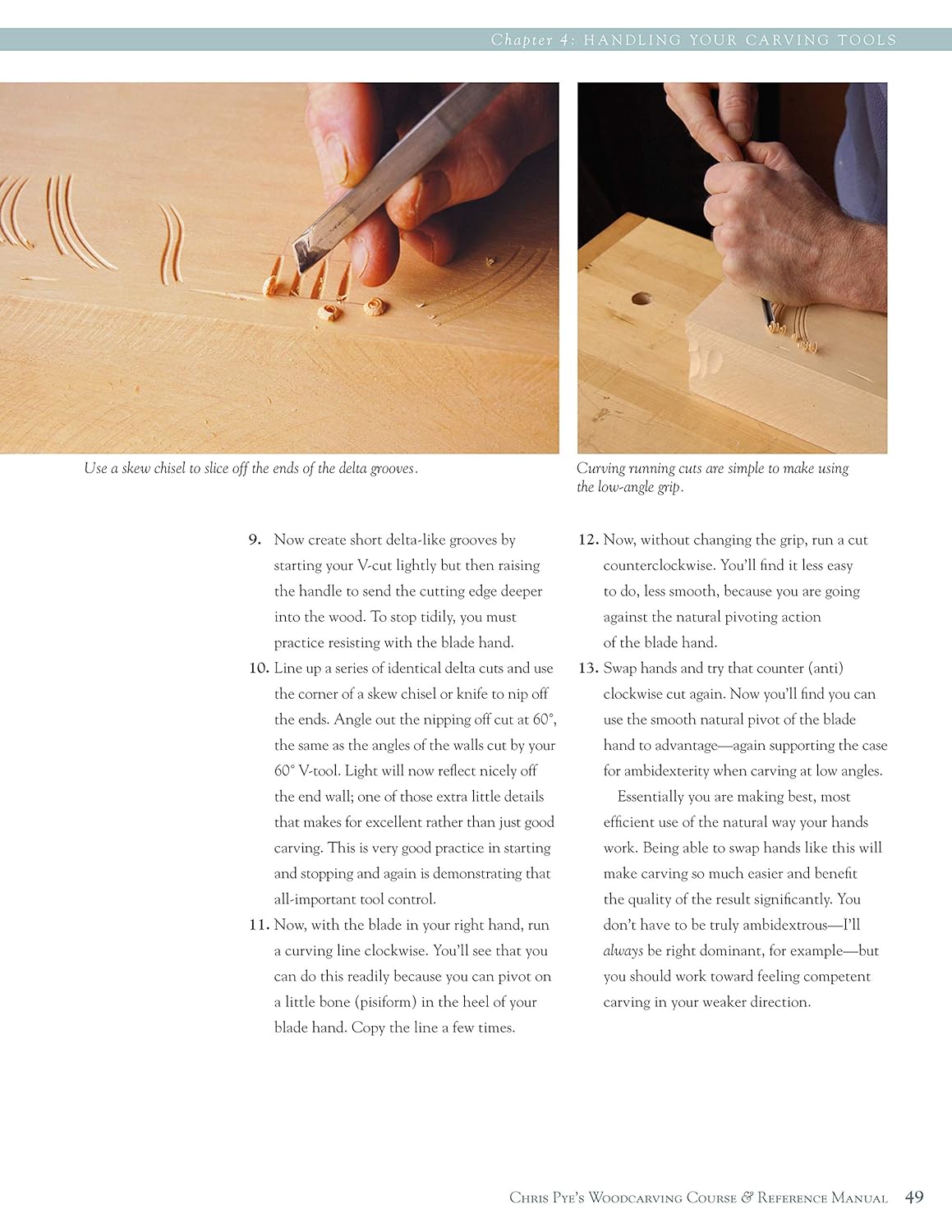
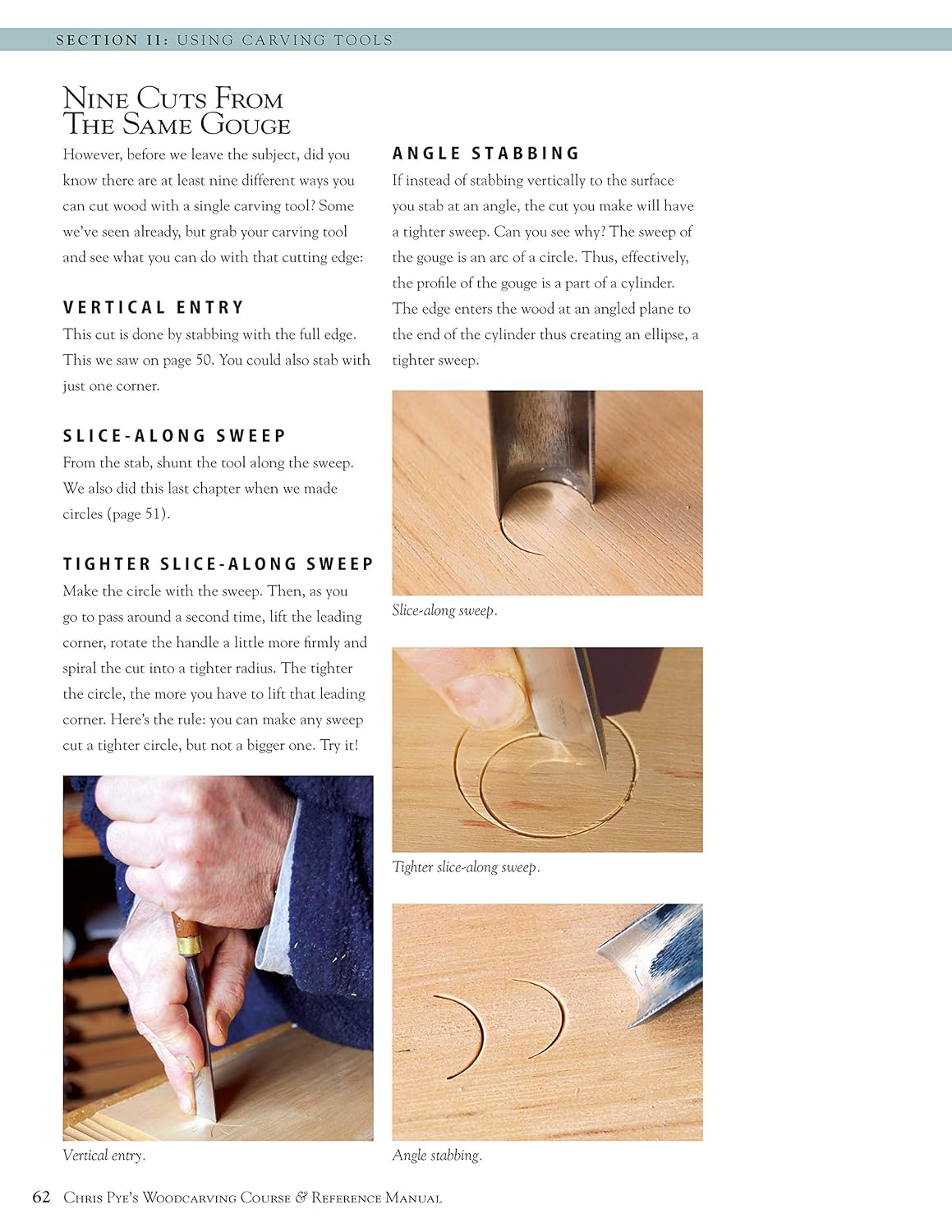
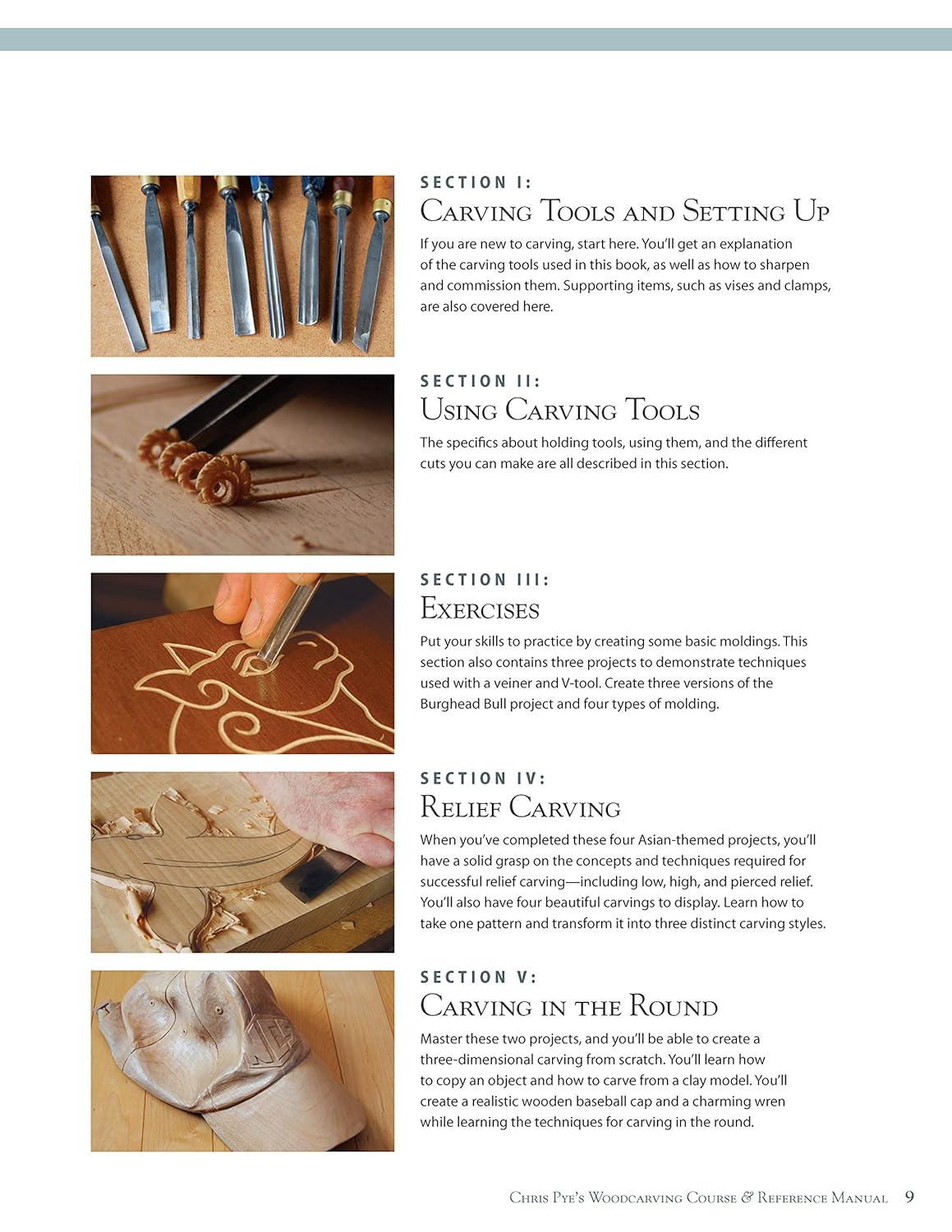
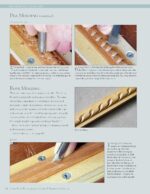
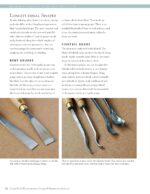
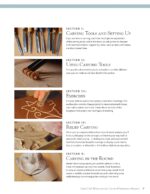
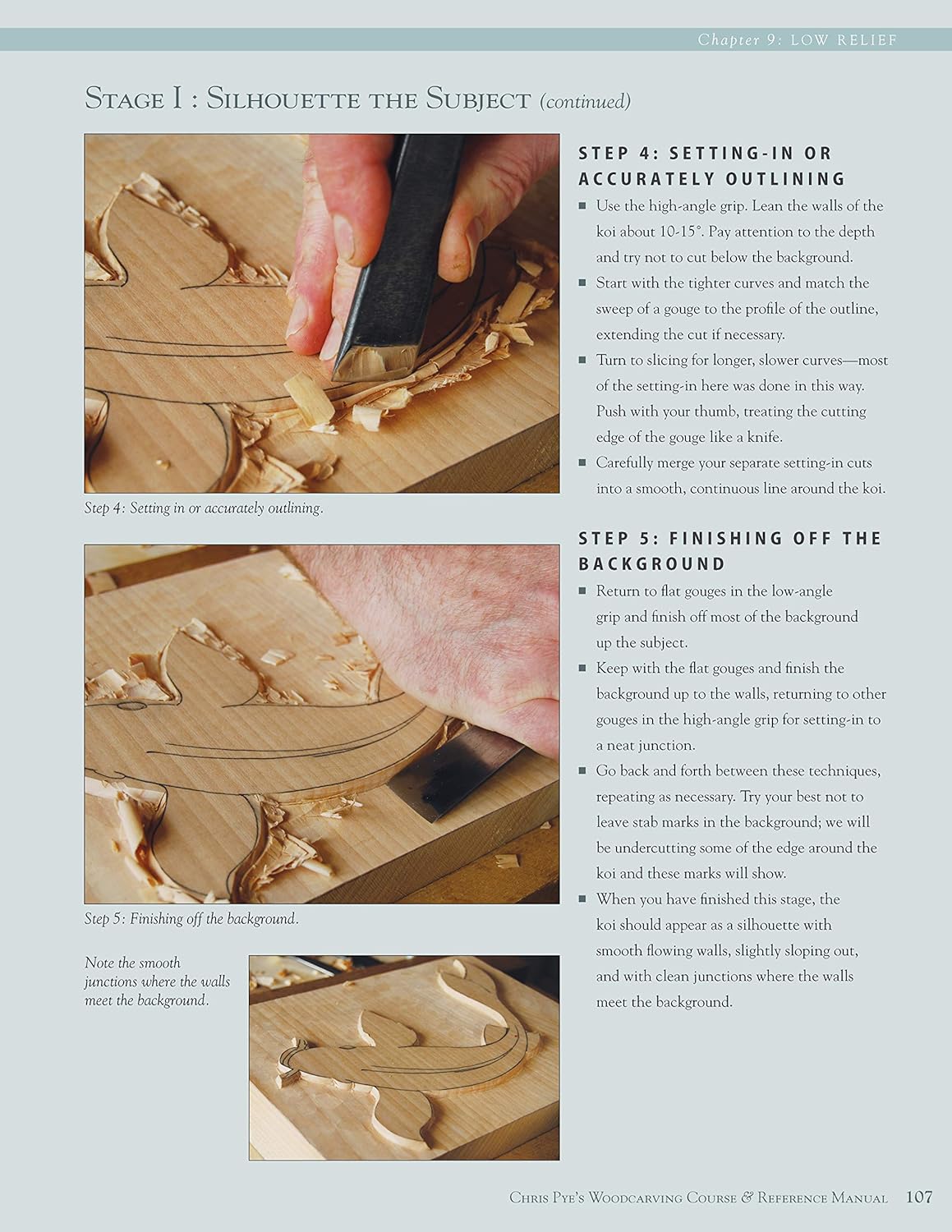
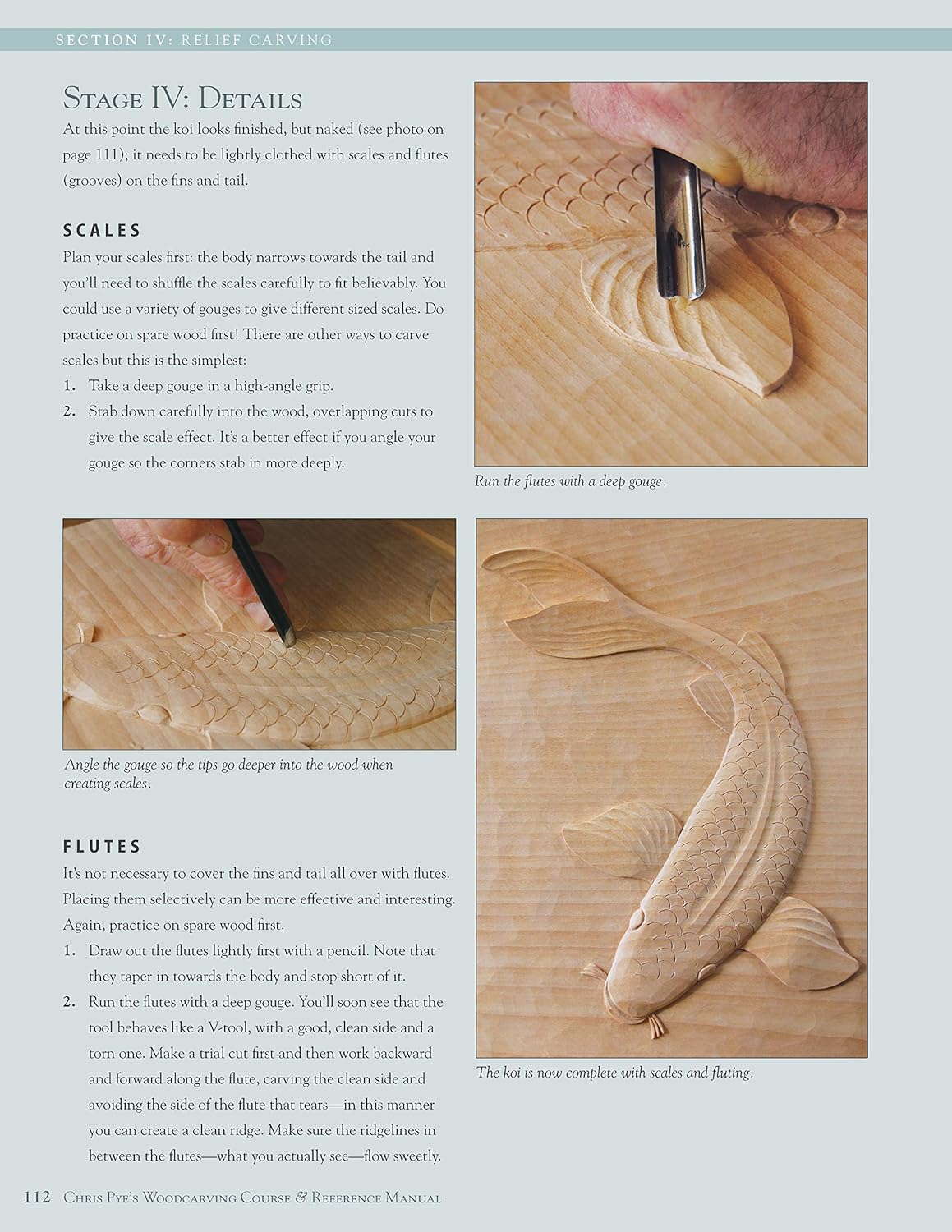
Chris Pye’s Woodcarving Course & Reference Manual is akin to having a one-on-one course with a master carver. You’ll learn what to look for in a workbench, the importance of commissioning your carving tools – there’s more to it than just sharpening! – and how to make exacting cuts and execute a variety of techniques. Like any good instructor, Pye includes practice exercises to make you comfortable with the tools and techniques so you can build your skills and carve with confidence.
Out of stock
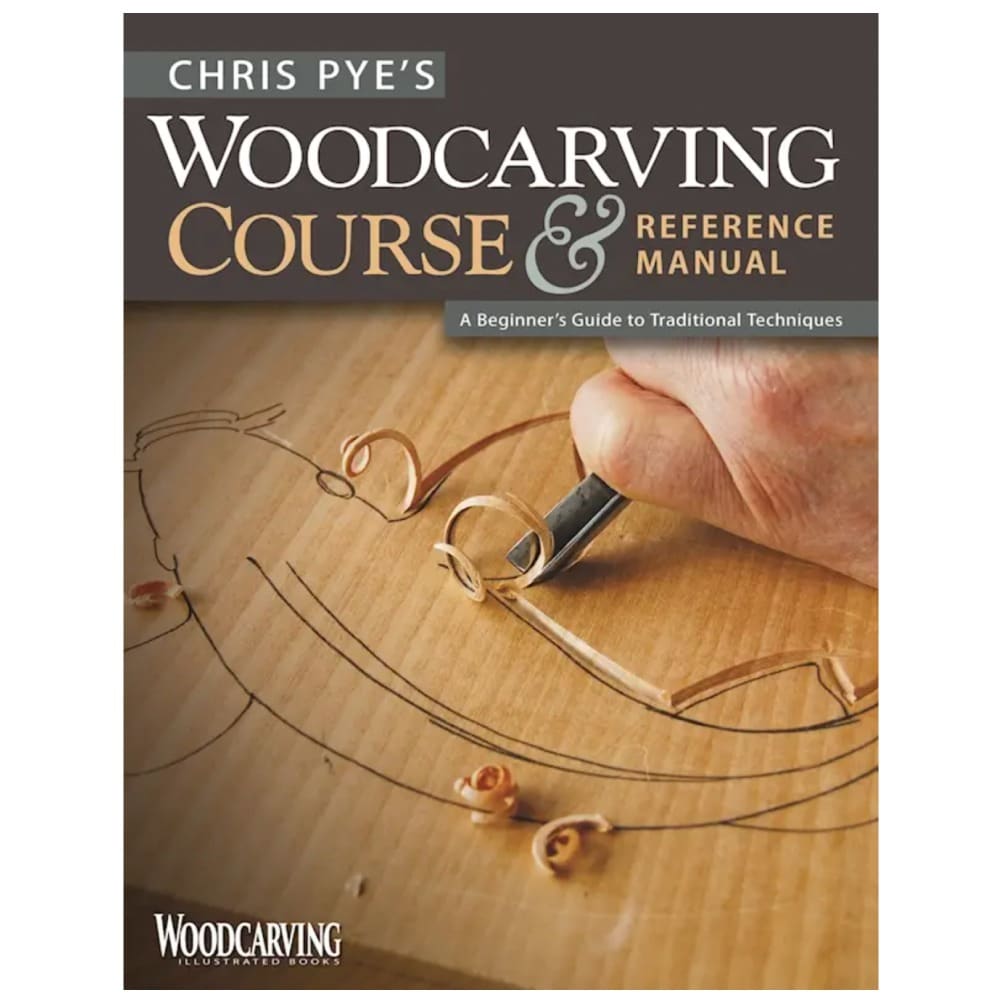
Chris Pye's Woodcarving Course & Reference Manual
A Beginner's Guide to Traditional Techniques
The first step into a new craft can be overwhelming: Where to start? What tools to buy? What projects to begin with? Thanks to author and internationally acclaimed woodcarver Chris Pye, this guide is filled with everything a beginning woodcarver needs to know.
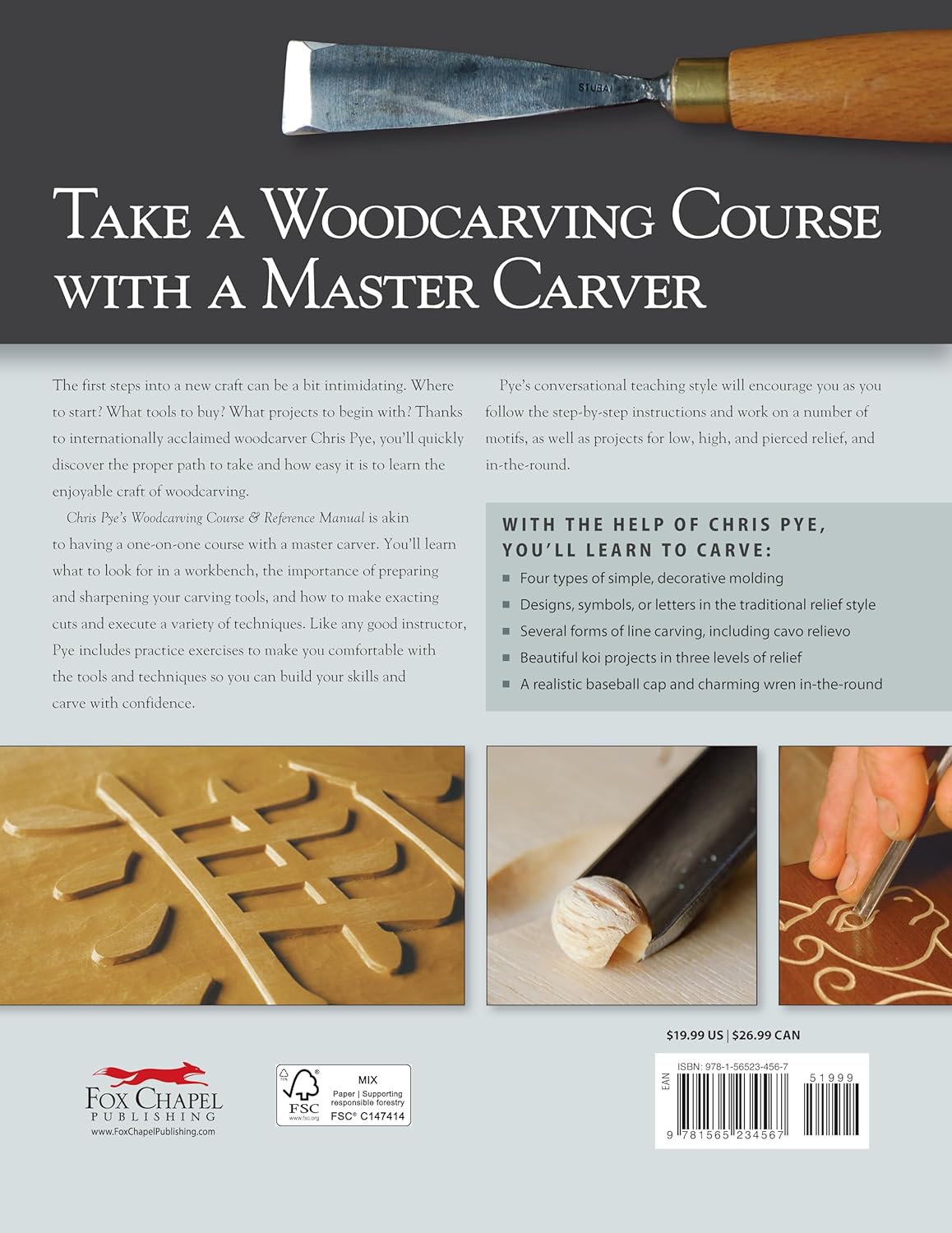
Chris Pye's Woodcarving Course & Reference Manual is akin to having a one-on-one course with a master carver. You'll learn what to look for in a workbench, the importance of commissioning your carving tools – there's more to it than just sharpening! – and how to make exacting cuts and execute a variety of techniques. Like any good instructor, Pye includes practice exercises to make you comfortable with the tools and techniques so you can build your skills and carve with confidence.
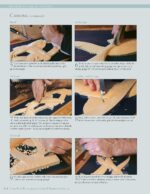
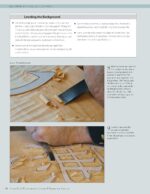
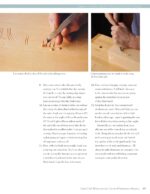
Pye's conversational teaching style will encourage you as you follow the step-by-step instructions and work on a number of motifs, as well as projects for low, high, and pierced relief, and in-the-round.
With the help of Chris Pye, you'll learn:
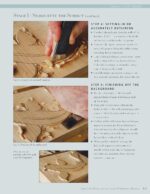
- Four types of simple, decorative molding
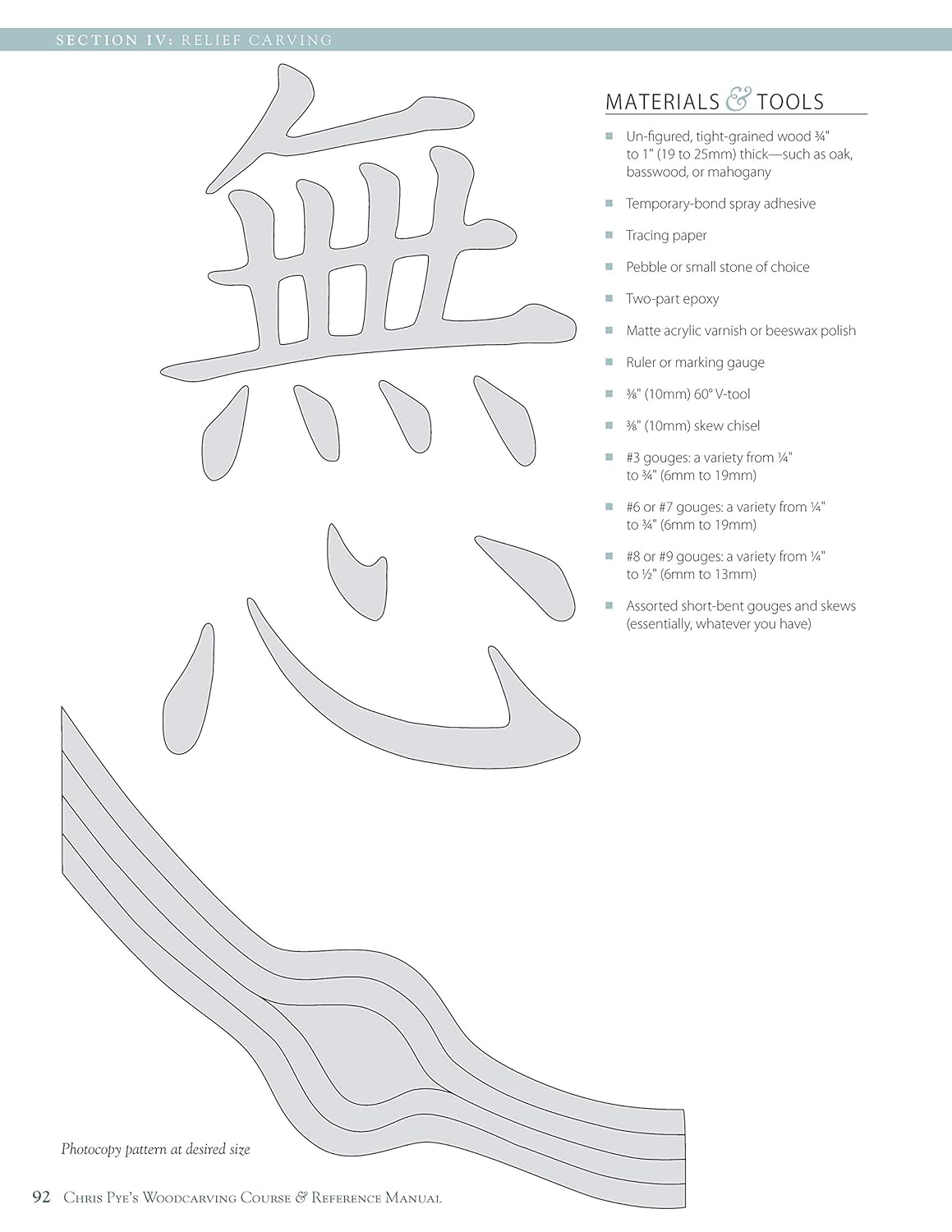
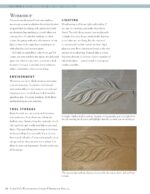
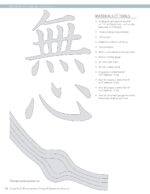
- Designs, symbols, or letters in the traditional relief style
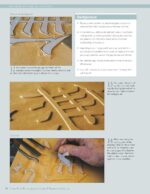
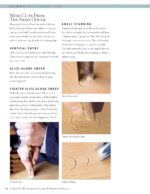
- Several forms of line carving, including cavo relievo
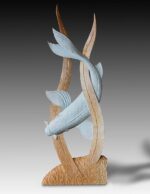
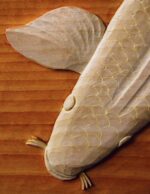
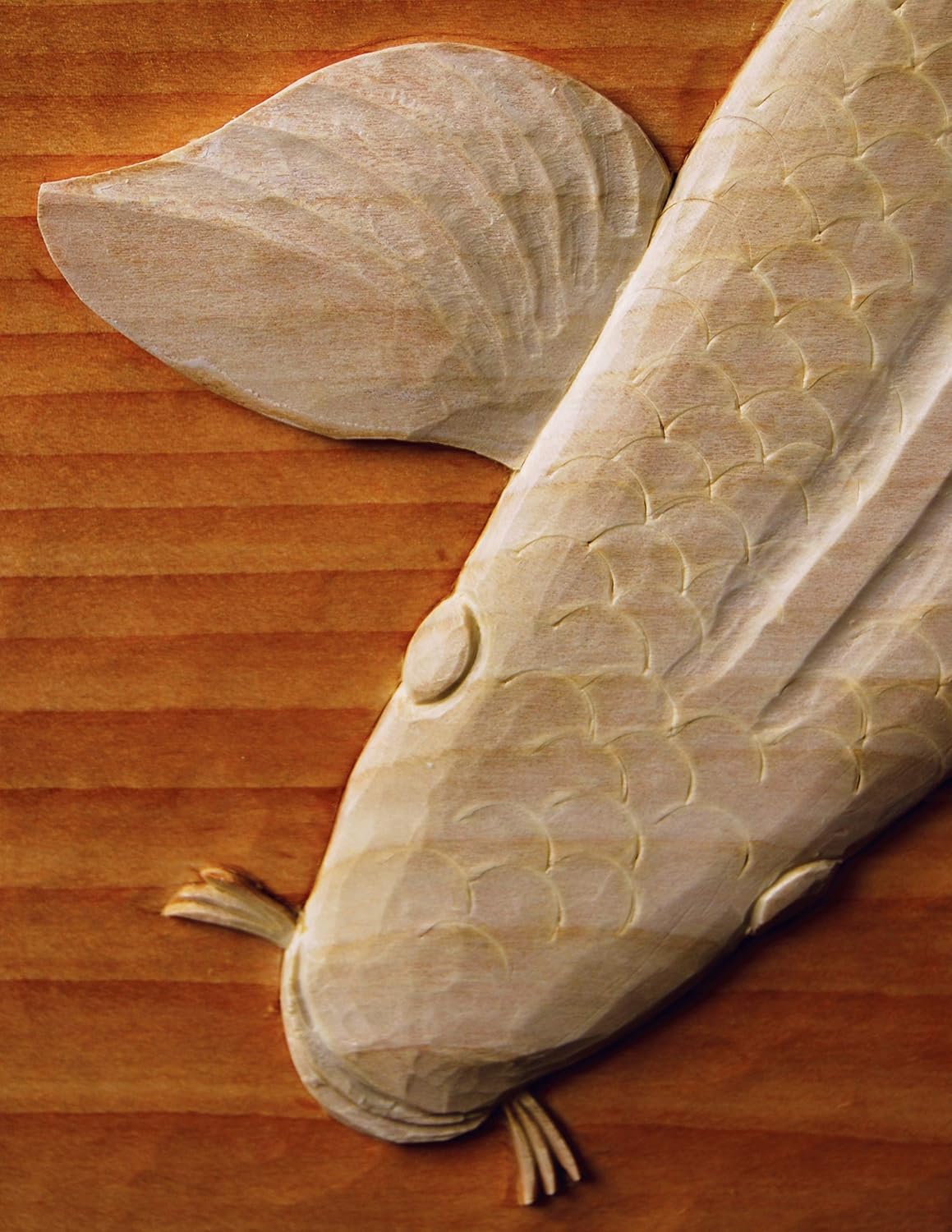
- Beautiful koi projects in three levels of relief
- A realistic baseball cap and charming wren-in-the-round
Introduction
"I carve in what might be called the traditional manner, sometimes referred to as European. I rely primarily on shaped gouges, chisels, and related tools. I don’t often use the knives that are so commonly favored in what might be called traditional American carving. And I don’t use power tools for anything other than roughing out or texturing. It’s not that I have anything against knives or power equipment. Skilled carvers do lots of lovely work with both, and sometimes they are exactly the tools I need in my own carving. But I admit to being in love with my chisels and gouges and with the advantages they seem to provide me in terms of design or final results.
It’s been my experience that a lot of knife users are put off by carving tools. Perhaps it’s the many different shapes or the pressure of having to choose the best tool for a particular job. And then there’s that dreaded sharpening! This is a pity. I’ve absolutely no doubt that chisels and gouges can take the carver to places where knives simply cannot go. Indeed, gouges superseded knives and axes in the history of carving precisely because of these advantages.
Unlike my other books, which cover specific topics such as letter carving, I’ve written this book as a general introduction to traditional woodcarving. Although the bulk of this material originally appeared as a series of articles in Woodcarving Illustrated, what you hold here is not simply a reprint. I have revised and added substantially to these essays, which the publishers in turn have reformatted.
In this book, I begin with basics, aiming to undo some of the mystery surrounding the selection and sharpening of traditional carving tools. From these fundamentals, we pass on to simple exercises that demonstrate what these tools can do when we hold and apply them properly. Finally, we’ll tackle a series of projects that encourage us to bring principle and practice together in the actual process of carving.
I see the book as a progressive course and I am assuming newcomers will start at the beginning and follow through the book with me. However, the projects are self-contained and it’s quite possible for more experienced carvers to dip into them as they will.
One important addition is the inclusion of the short inserts between chapters. Here I’m combining aspects of technique that I think are especially critical with more general thoughts on the carving process. In every case, these are points I find myself emphasizing time and again, year after year, with all of my students. Each insert relates in some specific way to its following chapter, but, taken together, they sketch out a much broader woodcarving landscape.
I don’t pretend that this present study is in any way complete. Indeed, I strongly recommend you fill out these basics with the specifics I focus on in my other publications and DVDs.
Think of learning to carve in the same way as studying the guitar: no one would expect you to play a Rodrigo guitar concerto straight off! A guitar teacher would first show you how a guitar works mechanically, and then show you how to tune it. Next would be simple finger exercises, the earliest phases of feeling your way around, strengthening your fingers, developing your ear, and training your muscle memory. As the exercises become more challenging and you practice more diligently, your fumblings begin to resolve themselves into proper tunes. This is true of any skill and certainly true of carving.
The guitar teacher would encourage you to own your own instrument, and, above all else, would expect you to practice! With regard to woodcarving, let me say this as straight out as possible: you cannot learn the skills without putting in the practice time. This is an absolute. If you wish to learn how to carve, get some tools, sharpen them correctly, and carve. If you want to progress, pick up your tools, check they are sharpened correctly, and carve. If you wish eventually to carve with pride, pick up your correctly sharpened tools and carve.
“The lyf so short, the craft so long to learne,” Chaucer tells us. Indeed, woodcarving can be seen as a pilgrimage, full of the same opportunities that all journeys bring: exploring new skills, meeting interesting people, facing new challenges, and importantly, having fun. All journeys start as the first step in a proper direction. This book is intended to help you take that first (or thousandth) step—and to point it where your hands and heart might follow."
- Chris Pye, Introduction for Chris Pye's Woodcarving Course & Reference Manual

About the Author

Chris Pye has some thirty years of experience as a carver, and is the author of three woodcarving DVDs and six books: Woodcarving Tools, Materials, and Equipment (1995, 2002), Carving on Turning (1995), Lettercarving in Wood (1997), Relief Carving in Wood (1998), Elements of Woodcarving (2000), and Woodcarving Projects and Techniques (2007). In 2011, Chris launched www.woodcarvingworkshops.tv, an instructional, video-rich carving website.
From his studio in Herefordshire, England, Chris works on a broad spectrum of commissions, including lettering, heraldry, furniture ornamentation, architectural carving, and sculpture. He is a member of the Master Carvers Association, with clients including His Royal Highness the Prince of Wales.
| Weight | 0.657 kg |
|---|---|
| Dimensions | 28 × 21.7 × 1.3 cm |
1 review for Chris Pye’s Woodcarving Course & Reference Manual
FREE SHIPPING
On Orders $100 or more within CANADA and the USA

Tariff Information for U.S. Orders
All product prices in USD on our website include current USA tariffs, and orders ship DDP (Delivered Duty Paid). This means that all shipping, duties, and taxes are prepaid. No surprises — what you see is what you pay.
The tariffs on orders to the United States is a developing situation. We’ll continue to update this page as shipping timelines or tariff policies change.
If you have questions, please contact us here.
Shipping Rates and Delivery Expectations
UNITED STATES
FREE SHIPPING On All Orders $100 USD or more!
These shipping rates apply only to items sold directly from this website, and are for shipments to the USA. Please don’t hesitate to contact us if you have any questions.
SHIPPING RATES:
Order Total | Shipping Charge to USA | ||
|---|---|---|---|
Up to $99.99 USD: | Flat Rate of $11.95 USD | ||
$100 USD and over: | FREE SHIPPING |
DELIVERY EXPECTATIONS:
Most orders to the United States (barring heavier items) are shipped Via UPS Expedited, which is a 2 business day service.Heavier items (nailes, larger lathe parts) will ship UPS standard
CANADA
FREE SHIPPING On All Orders $100 CAD or more!
These shipping rates apply only to items sold directly from this website, and are for shipments to the Canada. Please don’t hesitate to contact us if you have any questions.
SHIPPING RATES:
Order Total | Shipping Charge to Canada | ||
|---|---|---|---|
Up to $99.99 CAD: | Flat Rate of $11.95 USD | ||
$100 CAD and over: | FREE SHIPPING |
DELIVERY EXPECTATIONS
Most of our Canadian orders are now shipped via UPS, Fedex, Purolator, or Canada Post on a 2 - 7 day service, however smaller and more remote destinations may take longer to receive their orders.
Heavier items such as nails and some heavy lathe parts will be shipped by ground and may take up to 7 - 10 days to arrive, depending on location.
GREAT BRITAIN, Countries of the EUROPEAN UNION, and MEXICO
Shipping Rates and Options Shown at Checkout.
Any applicable DUTY, VAT, or BROKERAGE FEES will be charged by your country prior to delivery. Please be aware of your local rates.























Jim Tharp –
Every beginner woodcarver should own this book. my wife got it for me when I started 11 years ago and with it and the library and on line tutorials anyone can learn to carve. Chris Pyes videos are excellent as well.